
Why Do Customers Choose One Business Over Another?
Let's talk about something we've all done. You've found another business that does something similar to you.
You've looked at their website, you've stalked their social media, you’ve compared their prices.
And then you've sat there thinking: "Honestly... what have they got that I haven't?!”
Because they are seemingly busier than you, getting more enquiries, even booked up for months.
Meanwhile you're sat there wondering if you need a new logo, a new website or a complete personality transplant.
Well, don’t worry - I've got some good news.
Most of the time, customers aren't choosing another business because they're better than you.
They're choosing them because they feel more confident buying from them - that's it!
And confidence is something you can work on - so don’t despair! Read on for my top tips about how you can make sure those customers choose YOUR business over another one.

Do Customers Always Choose The Cheapest Business?
No. If they did, we'd all be shopping exclusively in the Special Buys aisle in Aldi and nobody would ever buy a coffee from anywhere other than McDonald's.
Yet somehow people happily spend £4 on a flat white.
Because buying decisions aren't just about money - they're mainly about confidence.
When customers are deciding between businesses they're usually asking themselves:
Will this person do a good job?
Will they understand what I need?
Will they make my life easier?
Will I regret spending this money?
They're not necessarily looking for the cheapest option - they're looking for the option that feels like the safest bet.
So How Do Customers Actually Choose A Business?
Here's what I think a lot of business owners get wrong.
We assume customers make logical decisions. We think they'll compare qualifications, years of experience, prices and packages before carefully selecting the best option.
Sometimes they do. But most of the time, they are just making a judgement call.
They're looking for little clues that help them decide whether you're the right fit.
Can I trust this person?
Do they seem like they know what they're doing?
Do I like them?
The answers to those questions often matter far more than another qualification, a fancy logo or a perfectly colour-coded Instagram grid.
How Can A Small Business Build Trust Online?
This is the bit that gets overlooked! Everybody talks about getting seen but nobody talks about what happens once people find you.
Because visibility gets people through the door but trust is what gets them to stay.
Here are five simple ways to build trust online.
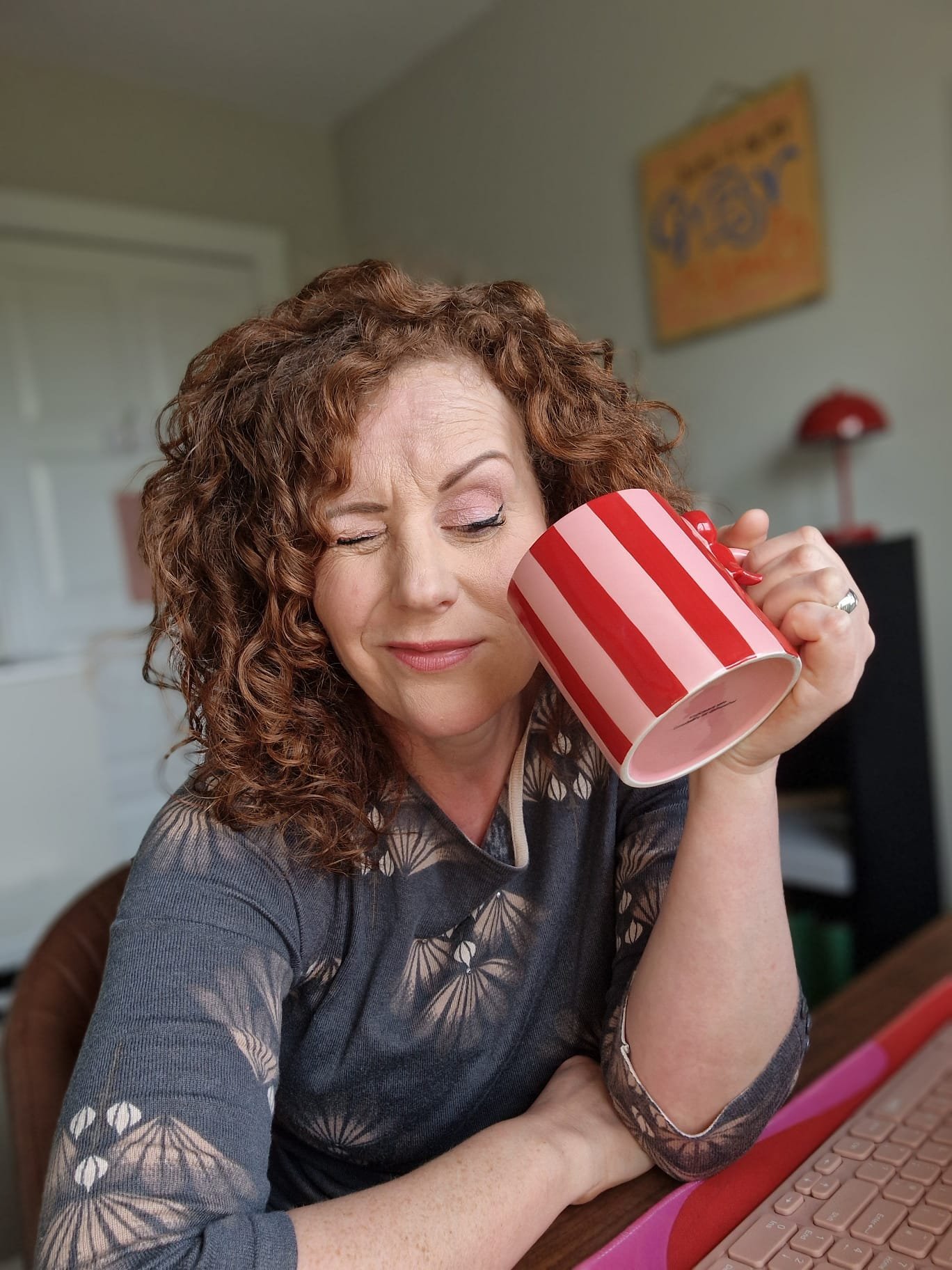
1. Show Your Face
I know. Nobody likes this one!
But people buy from people.
If your website and social media are nothing but graphics, stock photos and pictures of your products, you're making it harder for people to connect with you.
I'm not saying you need a professional photoshoot every month.
Just let people see the human behind the business.
2. Collect More Reviews
Reviews are one of the easiest ways to build trust. Yet they're also one of the things business owners avoid most.
Usually because they don't want to bother people. (If I had a pound for every time I've heard that...)
The truth is that happy customers are often more than willing to leave a review if you simply ask.
And future customers are absolutely reading them.
Especially on Google.
3. Make It Obvious What You Do
This sounds ridiculously simple. But go and look at five small business websites right now.
I guarantee at least three of them will make you work to figure out what they actually offer.
Customers shouldn't need detective skills.
Tell people:
What you do
Who you help
How you help them
What to do next
Did you know the average reading age for adults in the UK is between 9-11 years old?? So keep it simple.
4. Answer The Questions People Are Already Thinking
Most customers arrive with questions.
How much is it?
How does it work?
How long will it take?
What happens next?
If you're answering those questions on your website, in your content and in your FAQs, you're making life easier for people.
And businesses that make life easier tend to get chosen.
5. Be Consistent
This is a big one.
If your website says one thing, your Facebook page says another and your Google Business Profile hasn't been updated since Boris was Prime Minister, people notice.
You don't need to be everywhere! You just need to look active, reliable and current wherever people find you.
Why Do Some Businesses Get More Enquiries Than Others?
This is usually the point where somebody says: "Ah, so I need to post more on social media."
Not necessarily (you’ll be glad to know!)
Some of the busiest businesses I know barely post at all.
But what they do have is trust.
They have reviews, recommendations, a clear website and a good reputation.
Which makes it easy for customers to feel confident choosing them.
And confidence is often what turns a browser into a buyer.
The Question you need To Ask Yourself
Forget your competitors for a minute (because it’s only making you spiral). Forget the algorithm too. And forget whether you should be on Instagram, LinkedIn or TikTok. Instead, ask yourself this:
If somebody discovered my business today, would I make it easy for them to choose me?
Would they know what I do?
Would they understand how I can help?
Would they see evidence that other people trust me?
Would they feel confident taking the next step?
Because that's what most customers are looking for. They don’t want perfection, flashy marketing or the world's most beautiful website.
They just need enough reassurance to think: "Yep. This feels right. I’m choosing them”.
other things you can do to help show up online
Here are 5 simple things you can do today to help you build up trust online.
Collect Google reviews
Show real photos
Keep your website updated
Answer common questions
Make it easy to contact you
The bottom line
If you've ever looked at another business and thought:
"What have they got that I haven't?"
The answer is probably not a bigger budget. And it’s probably not a clever marketing strategy either.
More often than not, they've simply given people a few more reasons to trust them.
And the good news? That's something every small business can work on!
One review, one website update, one helpful piece of content. It all counts towards building that trust that makes someone choose you over another business.
Need Help Making Your Website Work Harder?
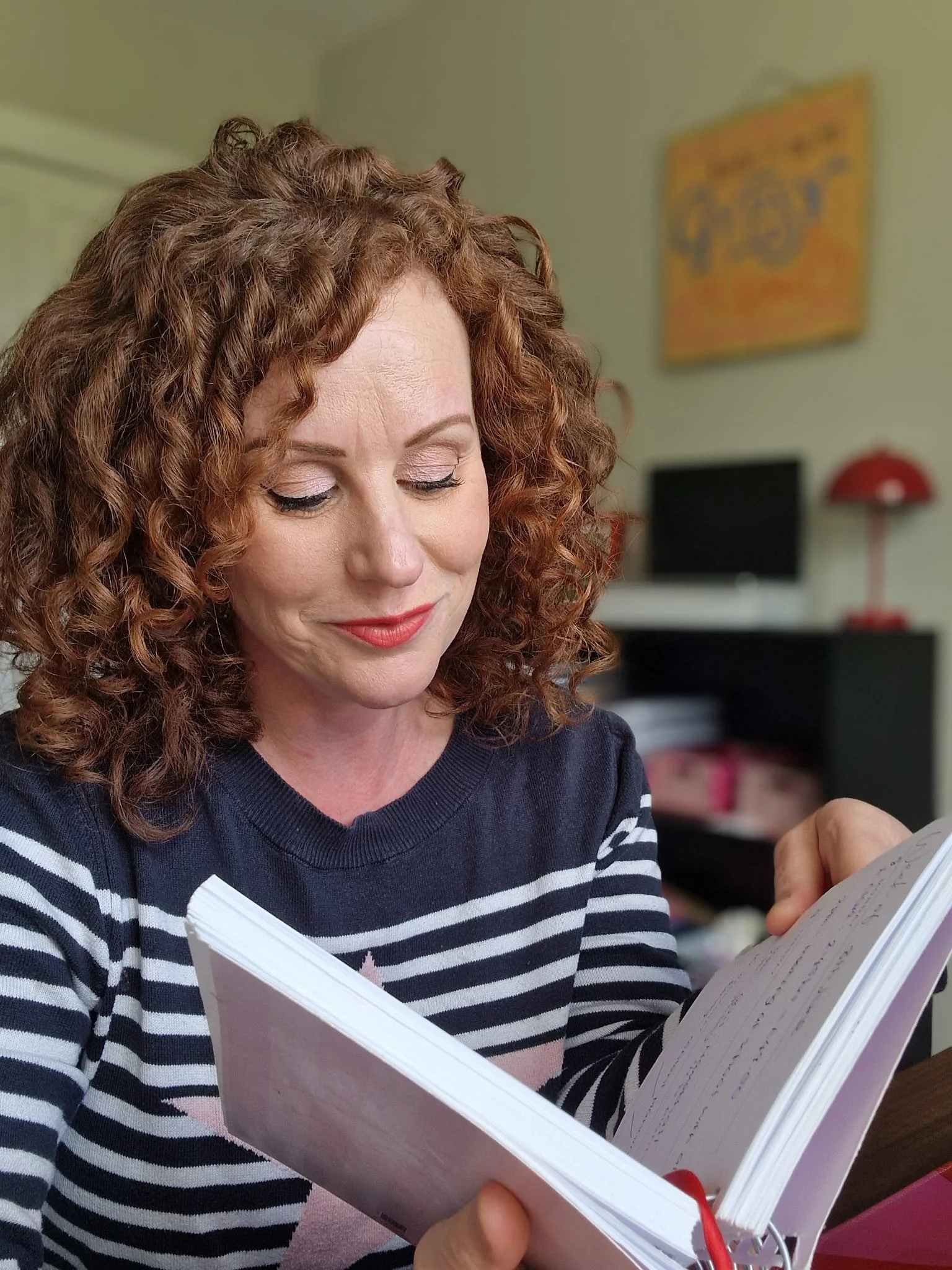
If this article has made you realise your website might be making people work a little too hard to choose you, don't panic - you're definitely not alone.
One of the biggest things I see when reviewing websites is that they're often missing the small details that help people feel confident enough to get in touch.
The good news? Most of the time, it doesn't need a complete overhaul.
Sometimes it's as simple as clearer messaging, stronger calls to action, better FAQs, more reviews or making it easier for people to understand what you do and how you can help.
And if it does need a bigger refresh, that's exactly what I've been working on behind the scenes.
I'm now offering website builds and website reviews designed specifically to help small businesses get found, build trust and turn more visitors into enquiries.
Fancy a fresh pair of eyes on yours?
You can book a free 30-minute chat or find out more/join the waitlist for upcoming website projects here!
Frequently Asked Questions
-
Customers often choose the business that feels most trustworthy, reliable and easy to work with rather than simply the cheapest option.
-
Reviews, clear information, real photos, FAQs and a professional website all help build trust online.
-
Yes. Google reviews are one of the first things many customers look at when deciding whether to contact a business.
